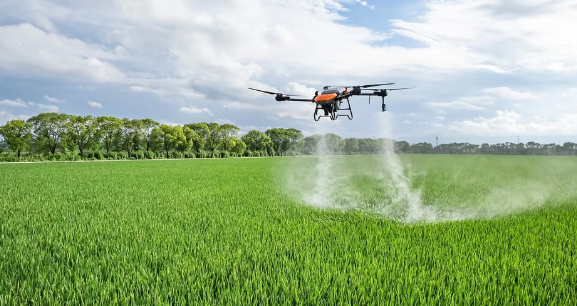
 comparison
Is Drone Spraying Worth It? A Practical Guide
Last Updated: November 14, 2026
Quick Summary
Drone spraying is worth it for specific jobs: wet fields a ground rig cannot enter, timely applications, and reducing soil compaction. Custom application runs $12 to $18 per acre for row crops in 2026, and hiring usually beats ownership under 150 acres. Above 400 acres with multiple crops, ownership can make sense.
- More than 16.4 million U.S. acres were treated by spray drones in 2025, up 58.7% from 2024.
- The average per-acre price for drone spraying services fell to $13 in 2026 from $21 in 2024.
- New spray drone equipment costs range from roughly $13,500 to $65,000 depending on model size.
- Commercial aerial pesticide application requires an FAA Part 137 operating certificate, separate from Part 107.
- A 6-hour window covering 300 acres requires sustaining 50 acres per hour, including battery swaps and refills.
Table of Contents
- Drone Spraying Pros and Cons: Where It Pays Off and Where It Doesn't
- Drone Spraying Cost Per Acre: What Custom Application Runs in 2026
- Drone Sprayer Cost: Buying a Machine vs. Hiring an Applicator
- Drone Spraying Acres Per Hour: Matching Coverage to Your Spray Window
- Regulatory, Insurance, and Data Logistics Nobody Warns You About
- Frequently Asked Questions
Drone Spraying Pros and Cons: Where It Pays Off and Where It Doesn't
Drone spraying can be worth it, but only for specific jobs. More than 16.4 million U.S. acres were treated by spray drones in 2025, up 58.7% from about 10.3 million acres in 2024, according to spray-drone acreage statistics. That growth did not happen because drones beat ground rigs everywhere. It happened because drones win in specific conditions.
Aerial drone spraying above a wet corn field with a ground rig parked nearby in the early morning light.
The upside: access, timing, and less soil compaction
The biggest advantage is field access. A drone flies over ground a sprayer cannot enter. Wet spots, saturated corners, and fields too muddy for a heavy rig stop ground equipment for days. A drone keeps working. University of Georgia research describes spray drones as a possible tool for timely applications when field conditions are unsuitable for other equipment (UGA CAES spray drone research). Less soil compaction is the second win. Third, aerial application can cut pesticide exposure for the applicator, particularly compared with backpack sprayers, according to Ohio State Extension fact sheet on spray drones.
The downside: payload limits, wind, and battery swaps
Payload capacity is the hard limit: most spray drones carry a fraction of a ground rig's tank, so you refill more often and cover less ground per tank. Wind matters more in the air, drift management constrains breezy days, and battery swaps add downtime a diesel tank does not. One AgTalk forum farmer noted spot spraying with a drone can be effective but may not save much versus a ground rig, an individual comment, not a controlled comparison, but it points to the real issue: drone spraying pros and cons depend on your operation.
Drone Spraying Cost Per Acre: What Custom Application Runs in 2026
Custom drone spraying cost per acre has fallen fast. A 2026 industry guide lists application-only drone spraying for row crops at $12 to $18 per acre (drone spraying cost guide).
The driver is supply. An influx of new operators pushed the average per-acre price for drone spraying services down to $13 in 2026 from $21 in 2024, according to 2026 agricultural drone spraying statistics. More operators competing for the same acres means lower rates for growers who hire.
Job Type | Typical 2026 Rate | Best Fit |
|---|---|---|
Row crop application | $12-$18 per acre | Corn, soybeans, wheat |
Spot spraying | Varies by field | Small, irregular, weeded areas |
Tall-canopy fungicide | Varies by field | Late-season disease control |
Wet-field rescue | Varies by field | Ground rig cannot enter |
Pricing from On Target Drone Application depends on acreage, applications, and timeline, so request a quote.
Drone Sprayer Cost: Buying a Machine vs. Hiring an Applicator
Buying a drone sprayer is a capital decision, not a per-acre one.
University of Missouri Extension frames drone ownership as an investment decision requiring a comparison of cost and operational competitiveness (Economics of Drone Ownership for Agricultural Spray Applications). There is no universal payback figure.
A practical decision framework:
- Under 150 acres, single crop: hire a custom applicator; ownership rarely pencils out.
- 150-400 acres with wet spots: hire for rescue passes, own only if you also spray for neighbors.
- 400+ acres, multiple crops, custom work: ownership can make sense if you run the machine hard.
- Custom applicator or retailer: ownership is the business model, so buy for capacity and uptime.
If you are weighing a purchase, find the right drone for your acreage and timeline. Our guide on how many acres it takes to pay off a drone addresses the break-even question, and if you would like help with financing, read about getting loans for ag drones.
Drone Spraying Acres Per Hour: Matching Coverage to Your Spray Window
Drone spraying acres per hour depends on tank size, swath width, turn time, and the refill-and-swap cycle, not a single spec sheet number. The real constraint is your spray window, not top speed.
The throughput equation
Productive acres per hour is not the same as the manufacturer's coverage claim. The working number looks like this:
****, where loads per hour is set by the slower of the refill clock and the battery-swap clock. Most growers overestimate productive hours and underestimate turnaround time, and that gap is where spray windows get missed.
What actually eats the clock
- Refill and tender travel. The distance from the field to the water source or tender trailer is the single biggest variable.
- Battery swap and charge rhythm. Packs that are not ready when the drone lands idle the machine. The number of charged packs on hand, not the number owned, sets the ceiling.
- Turn time and swath overlap. Headland turns and overlap add passes a flat acres-per-hour figure ignores.
- Wind-limit downtime. Applications pause when wind exceeds label and drift-management limits, and that lost time has to be budgeted inside the window.
Sizing to the window, not the spec sheet
Estimate the acres you must cover in a single window, then divide by the productive hours you actually have between wind limits and daylight. A 6-hour window covering 300 acres requires a machine and refill rhythm sustaining 50 acres per hour, including battery swaps and refills.
The operational efficiency win comes from matching coverage to the window, not chasing the biggest tank. A smaller machine with a tight tender setup and a full rack of charged packs can out-cover a larger machine waiting on a charger. If you are sizing a machine to your window, browse agricultural drones for sale and request a personalized quote.
Regulatory, Insurance, and Data Logistics Nobody Warns You About
The paperwork and infrastructure trip up more buyers than the flying does. Here is the sequence that gets a spray drone legally in the air, plus the insurance and data layers that decide whether the machine earns its keep.
FAA Part 137 and state rules: the compliance roadmap
Commercial aerial application of pesticides is regulated under FAA Part 137, which is separate from the Part 107 remote pilot certificate. Confirm current requirements with the FAA and your state lead agency. The general sequence:
- Part 107 remote pilot certificate in hand. Everyone manipulating the controls needs one, and the operation needs a designated pilot in command.
- Part 137 operating certificate application. This is the long pole: the FAA reviews the application, operating manual, and the applicant's ability to conduct safe aerial application.
- State pesticide applicator licensing. Aerial licensing sits with the state lead agency, typically the department of agriculture, and requirements differ, some require a separate aerial category, some proof of financial responsibility, some both. Confirm the state category before filing federally.
- Insurance certificate on file. Many states require proof of liability coverage as a condition of the aerial license, so insurance gates the license.
- Recordkeeping and application reporting. Aerial applications carry their own record requirements, and the applicator, not the grower, is generally on the hook for them.
Buying a drone before your operating authorization is in place can tie up capital while the machine cannot yet be used for commercial work.
Insurance and liability: the coverage question nobody answers
Drift and off-target damage are the liability that keeps operators up at night, and standard farm policies generally do not cover aerial application. Ask about a specialized aerial application liability policy, sometimes an endorsement to a commercial general liability policy and sometimes standalone. Confirm three things in writing:
- Chemical drift coverage, not just bodily injury and property damage from a crash.
- Per-occurrence and aggregate limits that match the value of the crops you fly over, not just the value of the drone.
- Whether the policy covers contract application for other growers, since a policy written for a farm owner may exclude custom work.
Growers who hire a custom applicator should confirm what the applicator's insurance covers and what the contract allocates. Read the contract's indemnification language before the first pass.
Batteries, charging, and software workflows
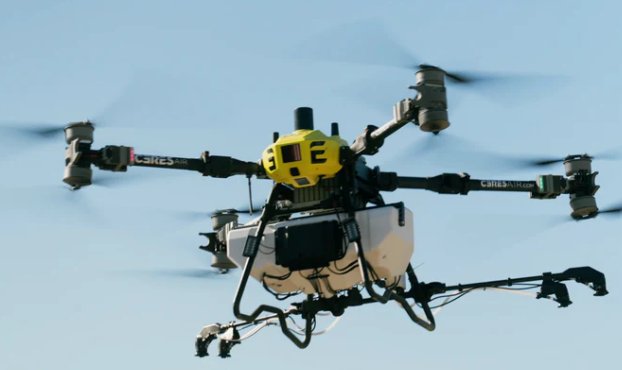
Battery and charging logistics decide your daily acreage as much as tank size. Plan for enough packs to keep flying through a swap cycle and a charger that keeps up; a high-capacity charger such as the Ceres 18S8500W Intelligent Battery Charger supports that rhythm.
Flight planning software, GPS guidance, and telemetry feed your data integration and recordkeeping. The key question is whether the spray map your drone generates exports into the recordkeeping system you already use for ground applications.
The real question is not whether drone spraying works. It is whether it fits your fields, your window, and your budget.
Frequently Asked Questions
Is drone spraying worth it for a 150-acre operation?
It can be, but it depends on field shape and timing. Custom application pricing depends on acreage, applications, and timing, so request a quote for your field. Drone spraying earns its keep on small, irregular, or wet fields where a ground rig cannot get in during the spray window. For large, dry, rectangular fields, a ground rig often costs less per acre.
What is the drone spraying cost per acre compared with a ground rig?
Custom drone application pricing depends on acreage, applications, and timing, so request a quote for your field. A ground rig's per-acre cost varies with fuel, labor, and equipment, so run your own numbers. The drone's advantage shows up most in wet fields and tall-canopy fungicide passes.
How many acres per hour can a spray drone cover?
Coverage depends on payload capacity, swath width, flight time, and refill turnaround. A drone spraying acres per hour figure that looks impressive on paper shrinks once you factor in battery swaps and tank refills. Ask the operator for a realistic hourly rate that includes turnaround, not just flight time, and compare it to the acres you need covered inside your spray window.
Do I need FAA Part 137 to spray with a drone?
Yes. Spraying pesticides by drone is a commercial agricultural aircraft operation and requires an FAA Part 137 certificate, plus a Part 107 remote pilot certificate and any state applicator licensing that applies. Ask any operator or dealer you work with to walk you through the paperwork before you buy. On Target Drone Application helps buyers navigate Part 137 and state rules.
